When airports fell silent during the pandemic, her bedroom turned into a makeshift laboratory. Surrounded by bags of different sizes, plush toys, masking tape and camera gear, Elyn See worked on a proof-of-concept system to detect odd-shaped baggage. Unable to visit the Changi Airport Group (CAG) office for her 10-week internship, she had to work remotely and make do with what she had at home.
“I used bags like my mother’s duffle bag and tried various ways to configure them into different shapes,” says the 25-year-old CAG scholar. “I would put stuffed toy animals in and tape the corners down, tricking the camera into thinking it was a very big piece of oval-shaped baggage.”
This was one of Elyn’s many forays into the field of computer vision – a passion that took root while she was a student in the engineering with business course at Singapore Polytechnic. After obtaining her diploma in 2020, she was awarded the CAG Undergraduate Scholarship and went on to study computer science, with a minor in strategic thinking in engineering, at University College London in Britain.
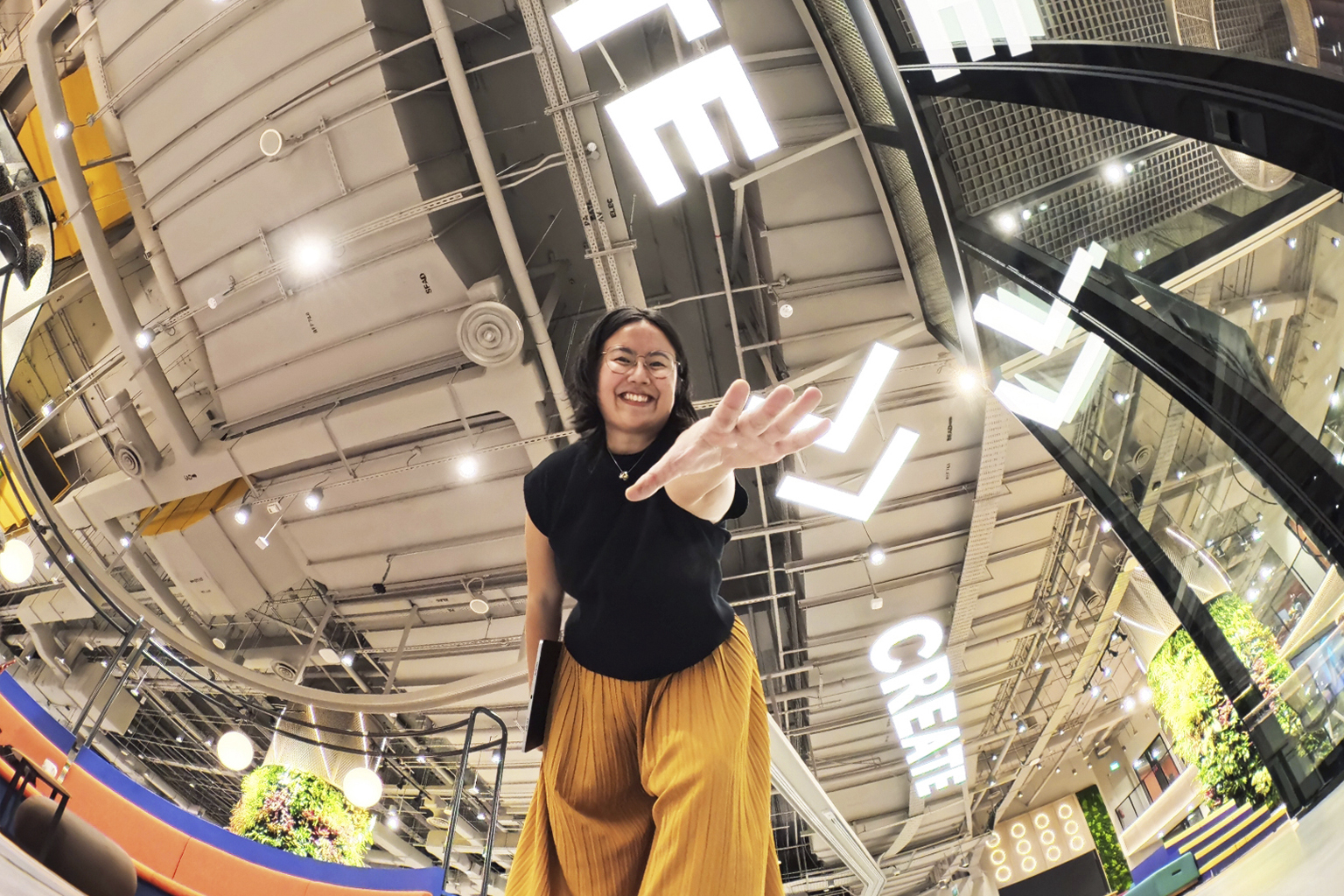
Today, Elyn is a senior associate with the newly formed artificial intelligence (AI) project management office at CAG. She is based at Terminal X, the group’s new innovation space. As AI becomes a strategic focus for the organisation, Elyn and her team will explore and deploy new ways to improve aviation operations and passenger experiences at one of the world’s leading aviation hubs.
CAG has already begun trials using AI to detect prohibited items during security screenings. It is also trialling projects to improve airside efficiency, such as video analytics for quicker aircraft turnaround and autonomous vehicles that transport baggage under all weather conditions.
For Elyn, being part of these innovations feels like a full-circle moment. The technology she works on today will shape the very place that captured her imagination when she was a child.
“Even when we weren’t travelling, my parents would often take me to the airport. Those visits became some of my most cherished childhood memories,” she says. “I loved exploring the viewing galleries, watching planes take off and spending hours playing around Changi Airport.”
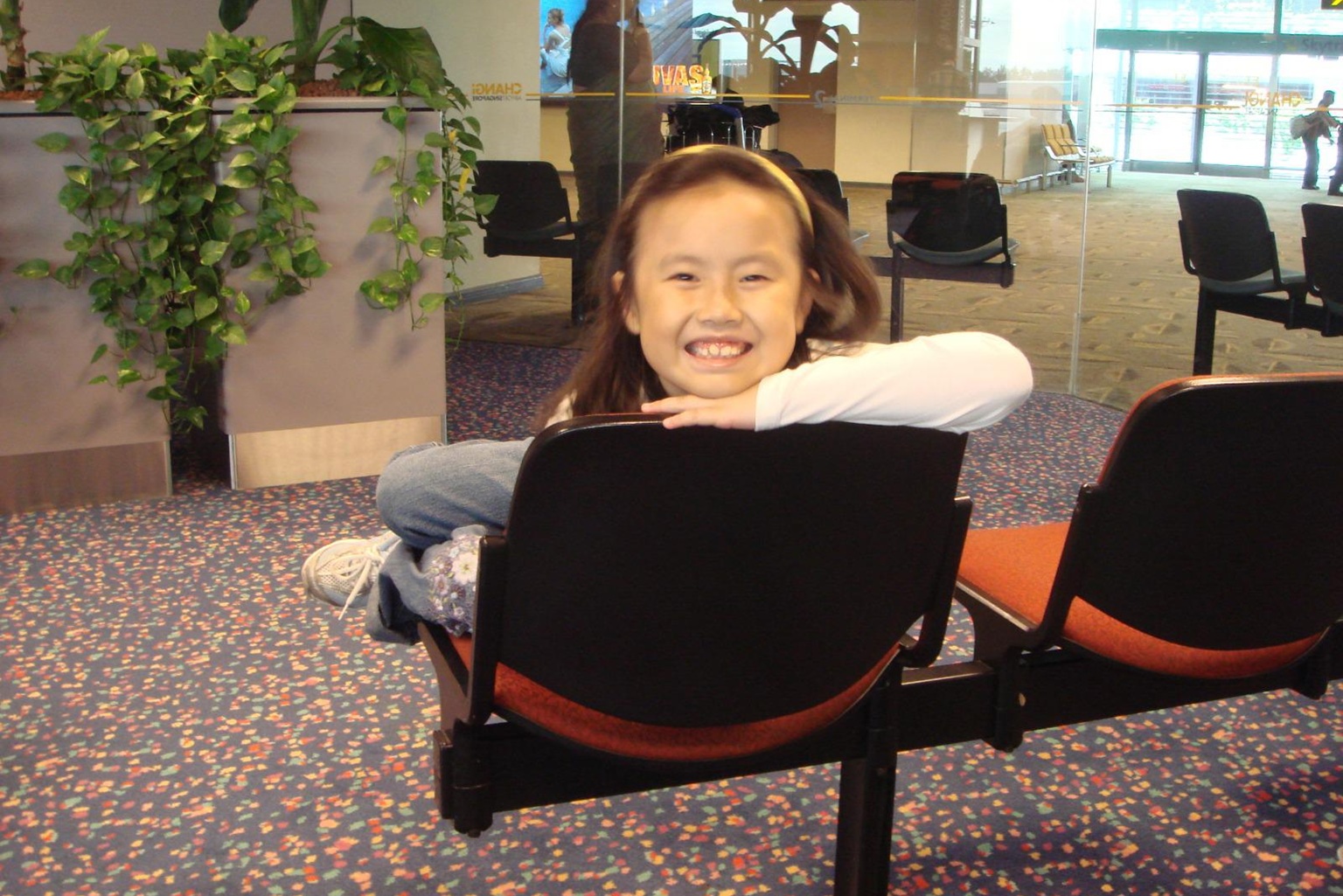
Using her experience in machine-learning algorithms over the years, Elyn hopes to help improve passenger experiences and back-end operations across the airport.
“In trying to make cameras smarter, I can take images and turn them into something useful,” she says.
That instinct was shaped well before she entered aviation. During her polytechnic internship with the Government Technology Agency of Singapore (GovTech), she worked on a smoking-detection system along Orchard Road, using AI models and live video streams to spot smokers straying outside of designated smoking areas.
In the same internship with GovTech, she also collaborated with the Singapore Food Agency to help develop object-detection systems to spot infected rotifers – tiny plankton used as fish feed.
These early projects sparked her fascination with how vision-based AI could help solve real-world problems, be it on the street, at a farm or at an airport.
“For me, the sky has always represented endless possibilities – a place where technology and human connection come together.”
– Elyn See, recipient of the CAG Undergraduate Scholarship
Throughout her scholarship journey, Elyn says CAG gave her room to explore her interests beyond academics.
“During the scholarship interview, I was deeply impressed by CAG’s People Team for their humility, honesty and insight,” she says. “The interview felt less like a formal assessment and more like an authentic conversation about the company’s mission and the industry’s realities.”
In her second year of undergraduate studies, Elyn went to New York University for a summer programme in journalism, which CAG supported even though it was unrelated to computer science. Furthermore, when she felt unsure about how to apply her theoretical learnings to her future work, she was granted permission from CAG to take a leave of absence from school to pursue other opportunities in independent research and job shadowing at dance companies in London.
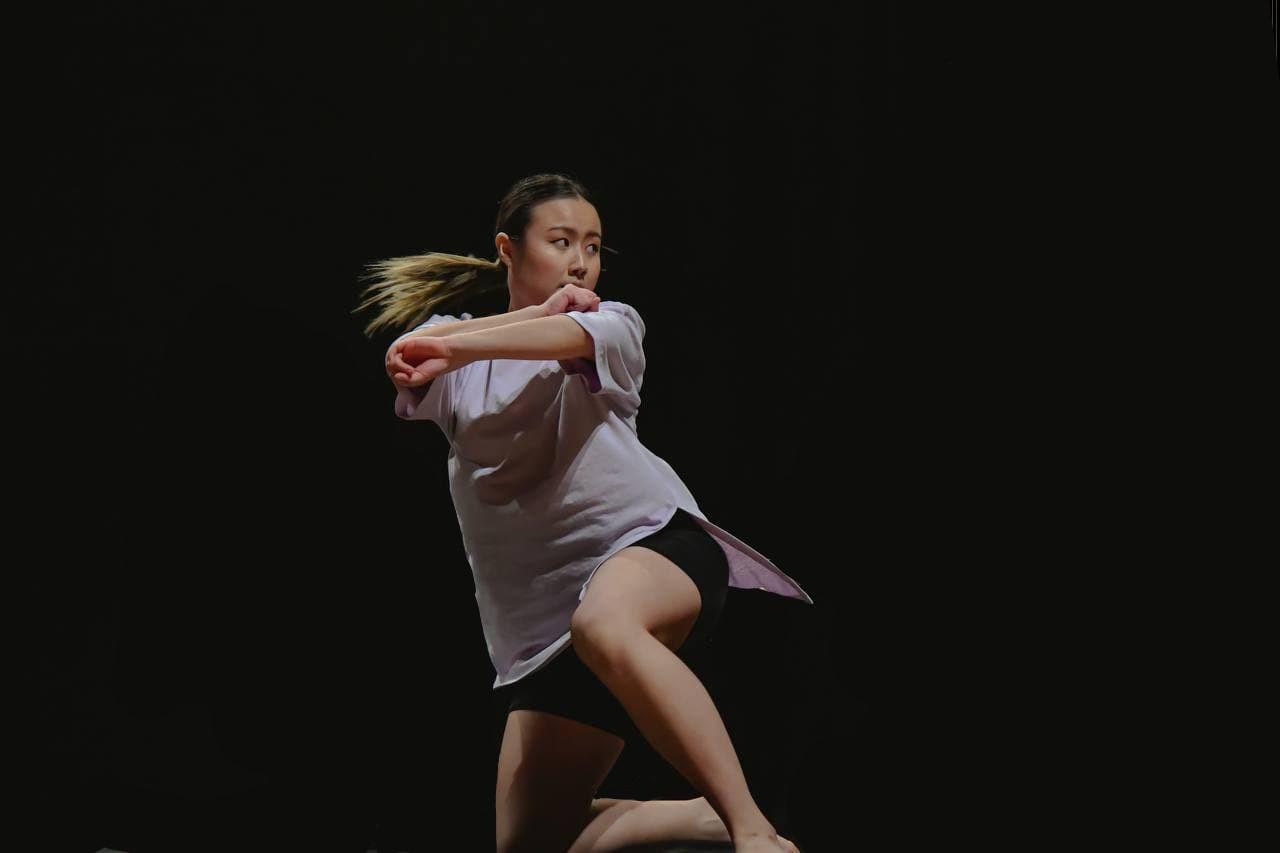
Through these experiences, Elyn discovered a new outlet for her growing expertise in the field of computer vision: ballet performances. A competitive dancer since young, she wrote her thesis on improving motion-capture technology for performance arts.
“You can set up an LED screen and code it so that when a dancer in a motion-capture suit raises their right hand, the lights form an image at the same time,” she says.
To improve the motion capture and create a more immersive experience for audiences, Elyn studied the structure of the human foot, created 3D models and trained AI to recognise joint movements during performances.
Elyn also credits her growth to the CAG scholar community. “We kept in contact a lot and supported each other through our academic journeys,” she recalls. “During tough times like exam periods, they would send me food or encouraging texts. Some even came down (to my school) to support me during the exam period.”
In her current role at CAG, Elyn is thrilled that her work goes beyond managing AI projects behind the scenes. She is also helping to improve the company’s UI/UX (user interface and user experience) touchpoints – from external customer-facing platforms to internal dashboards and workflows used by airport teams.
“For me, the sky has always represented endless possibilities – a place where technology and human connection come together. That early curiosity and sense of wonder have never left me, and they fuel my passion for building a career in aviation today,” she says.