When people file their taxes in Singapore annually, the process is usually quick and straightforward as forms are pre-filled with income details. Submissions now take minutes, not the hours they once did.
Most never see the work behind that ease – the policy choices, system changes and process engineering that have to line up long before tax season begins.
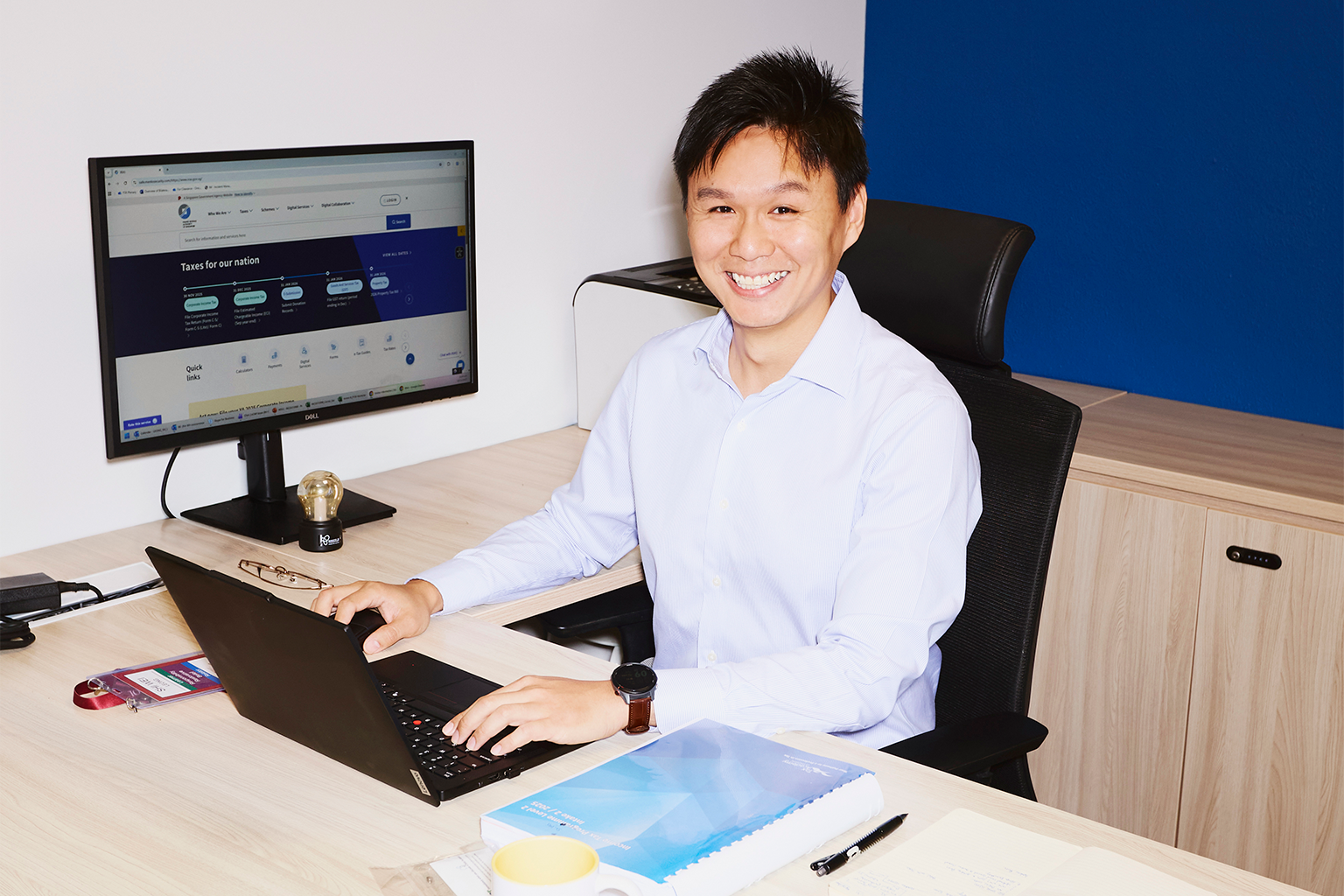
One of the public officers involved behind the scenes is Leong Shi Wei, a director at the Inland Revenue Authority of Singapore (IRAS). His work spans across the areas of tax policy, data and technology.
To him, a smooth taxpaying experience matters because it underpins public trust.
“We work with partners to co-create digital solutions that embed taxation into the systems taxpayers already use or are familiar with,” he explains. “The goal is fewer errors, less friction and an experience that feels smoother and not burdensome.”
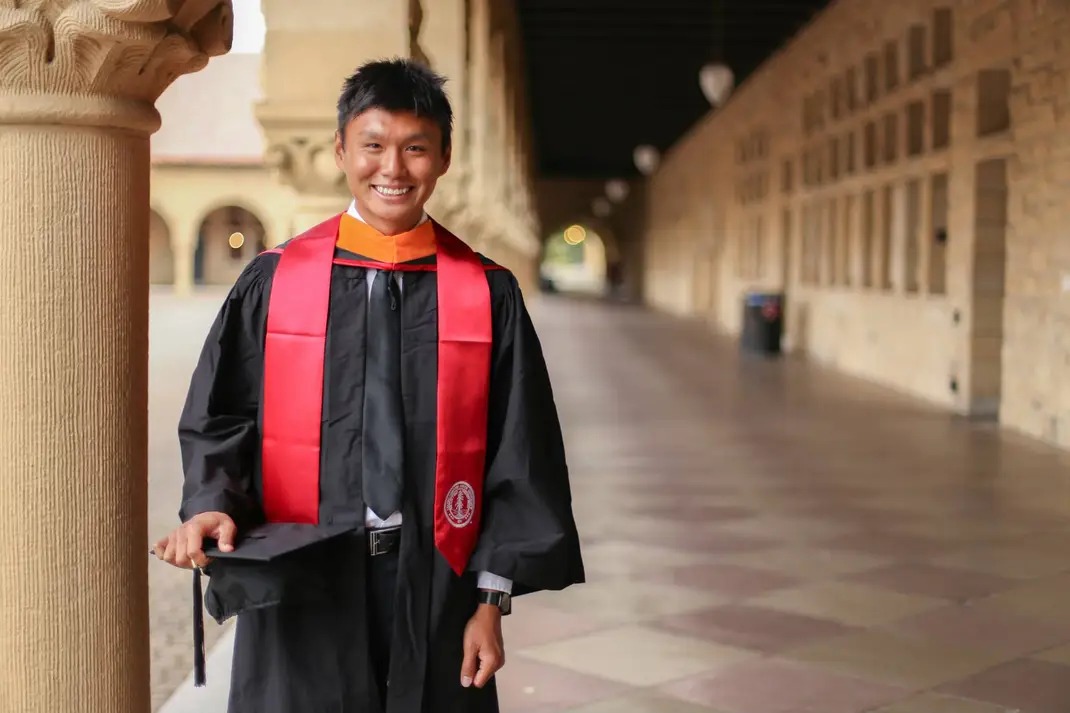
At 35, Shi Wei has spent more than a decade in public service. His journey began with an IRAS Overseas Undergraduate Scholarship, which took him to the University of Warwick to study economics in 2011, followed by a master’s degree in management science and engineering at Stanford University in 2014.
During his time in the US, his interest in taxation and its role in public policy deepened as he saw first-hand how tax and fiscal policies shaped global events such as the global financial and debt crises.
“What intrigued me was how taxation reflects the social contract between the state and citizens,” he says. “Good tax policies can spur growth and enable wealth redistribution.”
Today, Shi Wei leads more than 40 officers across five teams in IRAS’ data and ecosystem management branch. Together, they oversee data policy, governance and digital partnerships to make paying taxes more seamless and automated.
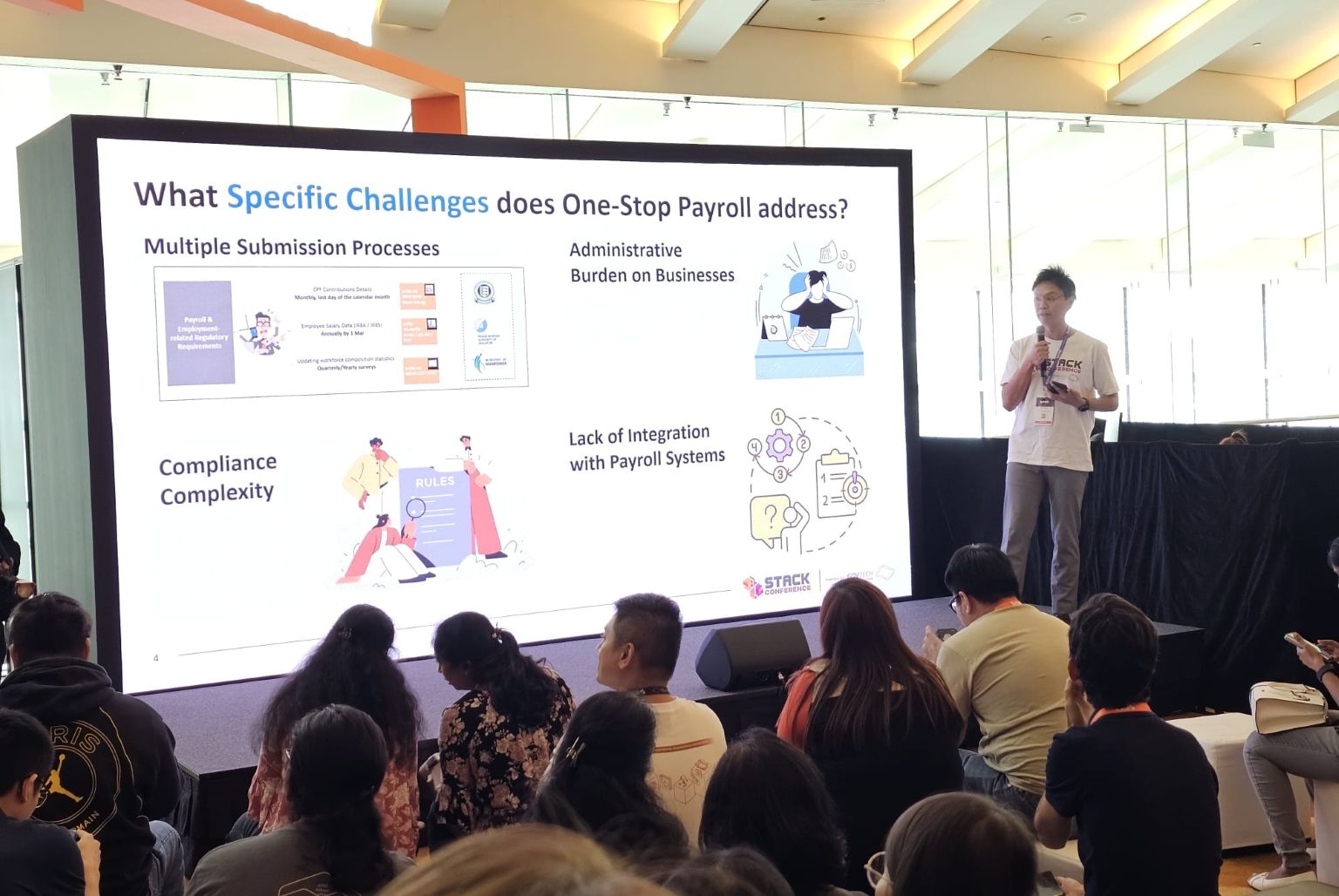
A key part of their work involves building secure digital links that allow business software to connect directly with IRAS’ systems. This means companies and individuals can submit payroll or tax information straight from the accounting or payroll software they already use without having to manually enter data or log on to IRAS’ portal.
The agency currently works with more than 200 software providers and intermediaries to integrate tax processes into everyday business systems. Together with initiatives like API (application programming interface) services such as seamless GST and corporate income tax filing, as well as pre-filled income tax returns for individuals, the aim is to minimise errors, save time and reduce the administrative burden of taxpaying.
“With richer, more timely data, we can roll out better services and benefit the taxpaying community,” says Shi Wei.
Yet, even as systems become more automated, Shi Wei is careful to emphasise balance. “We want to streamline processes and make taxpaying seamless, but we also want to ensure that people do not forget why tax matters,” he says. “Taxes fund shared goods. They reflect our values as a society.”
Those values were tested most sharply during Shi Wei’s three-year secondment to the Ministry of Finance (MOF) in 2018. Shi Wei not only worked on goods and services tax (GST) policies, but he also handled Covid-19 support measures – including tax rebates and the job support scheme.
As the Covid-19 pandemic unfolded in 2020, tax policy moved from long-term planning to urgent response. “During the pandemic, tax authorities were driven by a strong sense of purpose,” he recalls. “We had to introduce relief measures quickly to support businesses and livelihoods while ensuring fiscal sustainability.”
For Shi Wei, it was no longer merely policy on paper. “It really brought home how tax policy affects real lives,” he says. “It was about whether businesses survived, and whether workers kept their jobs.”
His subsequent posting to the Ministry of Transport in 2021 reinforced that lesson from a different angle. Developing strategies for the air hub division during aviation’s deepest crisis due to the pandemic, he was involved in efforts to reopen the air hub, support workforce retention and address sector financing challenges.
“Each posting gave me a wider lens,” he reflects. “Tax isn’t just about revenue; it affects trade flows, competitiveness, jobs and how resilient a country can be. It helps that there are secondment opportunities in the public service, so officers like me have a chance to apply what they have learnt in other parts of the Government.”
When Shi Wei returned to IRAS in 2023 to take on his current leadership role, what struck him most was not the complexity of the work but its reach. Decisions made behind closed doors would ultimately shape business operations, national funding priorities, and the taxpayer experience.
Alongside systems and strategy, Shi Wei now spends much of his time building teams, guiding and providing advice to his colleagues.
“No course really prepares you for the responsibility of shaping other people’s growth,” he reflects. “It is challenging but rewarding. It adds greater meaning to the job.”
“We want to streamline processes and make taxpaying seamless, but we also want to ensure that people do not forget why tax matters. Taxes fund shared goods. They reflect our values as a society.”
– Leong Shi Wei, recipient of the IRAS Overseas Undergraduate Scholarship
Tax work, he says, is as much about service design, behavioural insights, data analytics and emerging technologies as it is about legislation and technical rules.
“It goes to show that tax is not boring – and IRAS is definitely not just about tax,” he adds. “IRAS looks ahead and plans for our nation’s and taxpayers’ future needs, and because the work is multidisciplinary, officers can take on a range of roles – including service, operations, technology and compliance – and work with emerging technologies like artificial intelligence.”
That sense of purpose and adventure, he says, is what keeps him going even after more than a decade.