Singapore expects its greenhouse gas emissions to peak in 2028 before declining.
This timeline was revealed in Singapore’s first Biennial Transparency Report to the United Nations last November. It outlined the country’s progress in cutting emissions through concrete steps, to meet its 2030 climate targets and lay the foundation for reaching net zero in 2050.
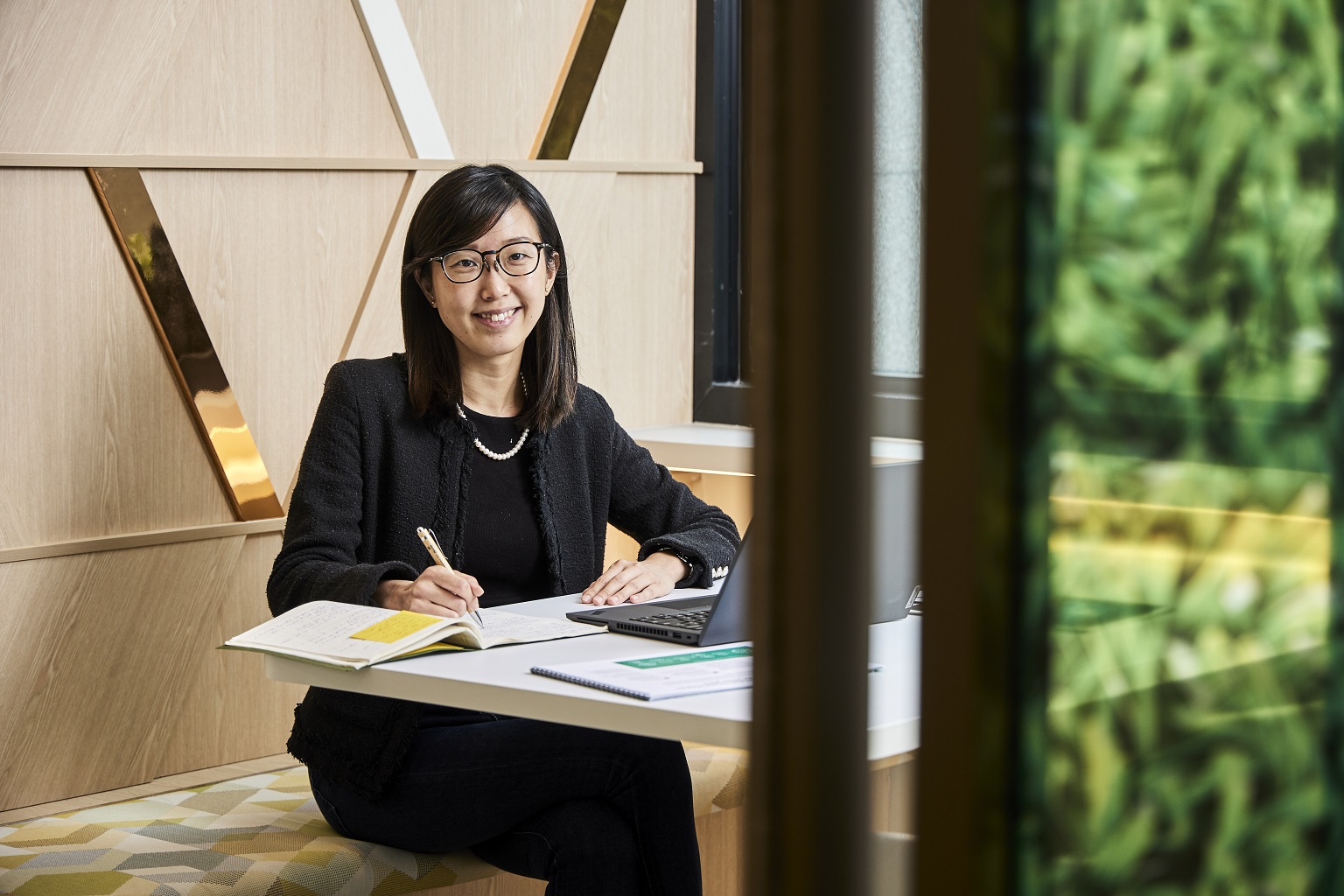
Guo Yiran, a director at the National Climate Change Secretariat (NCCS), is part of the team that produced the report and will shape policies that will determine Singapore’s climate-resilient future.
With rising temperatures, sea levels and other environmental threats looming, building a sustainable future is more than a policy goal – it is a nation-critical mission that demands bold action.
“Looking back on my decade in public service, I never imagined I would be working to tackle mankind’s existential threat,” says the 34-year-old, who was offered the Public Service Commission (PSC) Scholarship in 2009.
While Yiran did not begin her career as a climate expert, she was initially drawn to the opportunity to be exposed to a wide spectrum of public governance work through the scholarship.
“The PSC Scholarship gave me the freedom to explore various topics I was passionate about and supported my leadership development as my aspirations evolved,” she says.
This freedom to explore began with her education at Northwestern University in Illinois, where she majored in economics and political science. There, Yiran followed her intellectual curiosity rather than chasing credentials. Her studies spanned topics that intrigued her, ranging from labour economics and comparative study of democracies, to entrepreneurship and Russian literature and cosmology, providing her with a strong foundation for understanding systems and policies.
Wanting to expand her world view, she pursued a dual master’s programme at Sciences Po in Paris and Fudan University in Shanghai. Living and studying in such diverse places – from the American Midwest to Europe and China – taught her valuable lessons on adapting and working with different cultures.
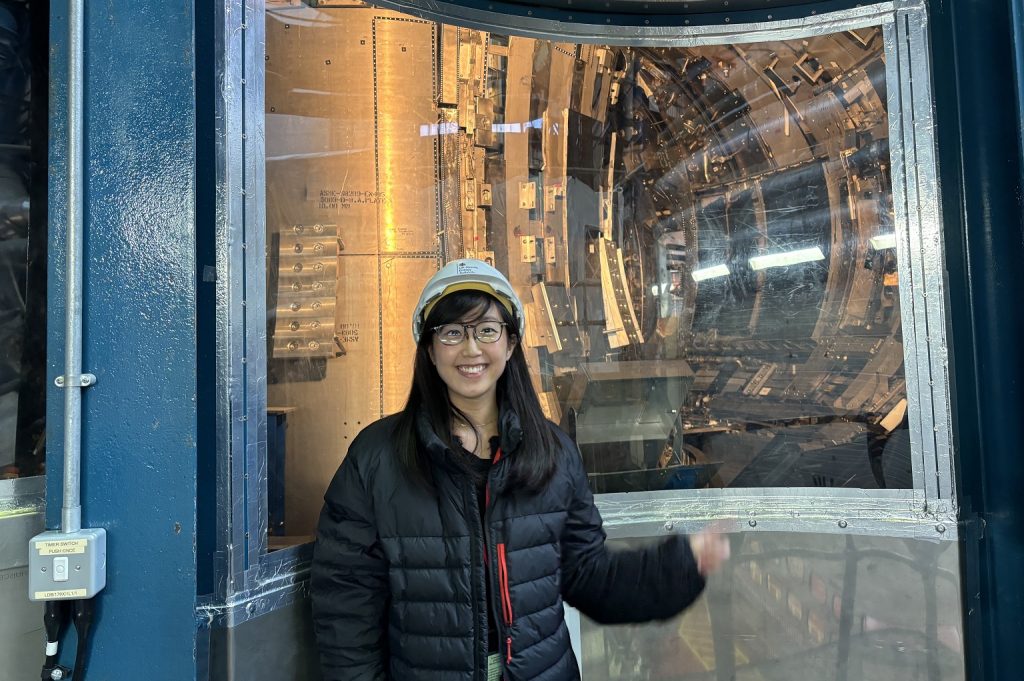
Through structured rotations across the public service, the PSC Scholarship gave Yiran unique opportunities to build a multifaceted career and drive national-level changes.
Starting at the Ministry of Transport, Yiran was part of the team that restructured the public bus sector from a privatised to a contracting model – a major industry transformation that improved service reliability for millions of commuters daily.
At her next posting at the Ministry of Education, she helped to strengthen institutional frameworks for handling sexual misconduct cases in higher education institutions, directly impacting campus safety and student well-being across Singapore’s universities.
But it was at the Ministry of Trade and Industry where she faced her most significant challenge yet: leading the development of Singapore’s first National Hydrogen Strategy (NHS).
Hydrogen has been identified as a potential solution for the country’s energy transition to reach its net zero goals.
“I had to go from knowing nothing about hydrogen to being a policy expert on it,” she recalls. “We pulled together an inter-agency taskforce quickly and established a national strategy from the ground up.”
After months of intensive work, their efforts culminated in the strategy being formalised in an announcement by then-Deputy Prime Minister Lawrence Wong in 2022.
The NHS report outlined a vision where hydrogen could supply Singapore with clean energy across multiple sectors, enhance energy security through diversified imports and create new economic opportunities.
The project marked a turning point in Yiran’s career.
“This is how I got interested in climate work,” she says. “Climate change is like slowly boiling a frog – if we keep delaying difficult decisions until we feel the heat, it may be extremely costly or impossible to reverse course once we’ve crossed critical tipping points.”
She began reflecting on the profound implications of climate change on Singapore’s future: How would a climate-impaired world affect our economy, people’s livelihoods and future generations of Singaporeans? What would it mean for the nation’s security and our way of life?
Far from being paralysed by these concerns, Yiran saw an opportunity to help architect Singapore’s sustainable future. With her solid foundation in economic planning and newfound passion for climate action, moving to NCCS in 2024 felt like a natural progression.
“The PSC Scholarship gave me the freedom to explore various topics I was passionate about and supported my leadership development as my aspirations evolved.”
– Guo Yiran, recipient of the Public Service Commission Scholarship
The NCCS is one of two policy units within the Prime Minister’s Office’s strategy group, alongside the national population and talent division.
From this strategic perch, it coordinates Singapore’s climate policies across all government agencies.
Here, her work demands all the skills she has gathered along her journey – from driving large-scale transformations to navigating complex stakeholder relationships – exemplifying how an open mind to new challenges can lead to meaningful impact.
“I never had an epiphany about what I wanted to do with my career. I treated it as if life would take you places. You just have to keep going, keep learning and accumulate knowledge about yourself.”
Yet looking back, each role in her journey has prepared her for her current role.
“Climate policy touches every aspect of our economy and society,” she explains. “Our challenge is ensuring Singapore’s transition to a low-carbon future remains both ambitious and practical, creating a vibrant economy where future generations can thrive.
“NCCS offered me the opportunity to work on policies in a greenfield space. That speaks to the pioneering work that all policymakers aspire to do,” she says.
| About the Public Service Commission Scholarship The Public Service Commission (PSC) Scholarship is Singapore’s premier government scholarship, awarded to outstanding individuals with a passion for public service. It offers scholars the opportunity to pursue their studies at top universities worldwide, entry into the Public Service Leadership Programme (the central leadership development programme in the Singapore Public Service), and exposure to diverse experiences through structured rotations across government ministries and agencies. |
This article is brought to you by the Public Service Commission.