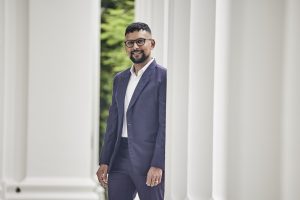
When engineering student Adriel Tan received the chance to intern at Apple’s Cupertino headquarters – working alongside top-notch tech mentors and testing the very chips powering millions of devices – he did not hesitate.
“It was something I’d dreamt about since I was young,” the 26-year-old says, recalling his time in Silicon Valley in 2021.
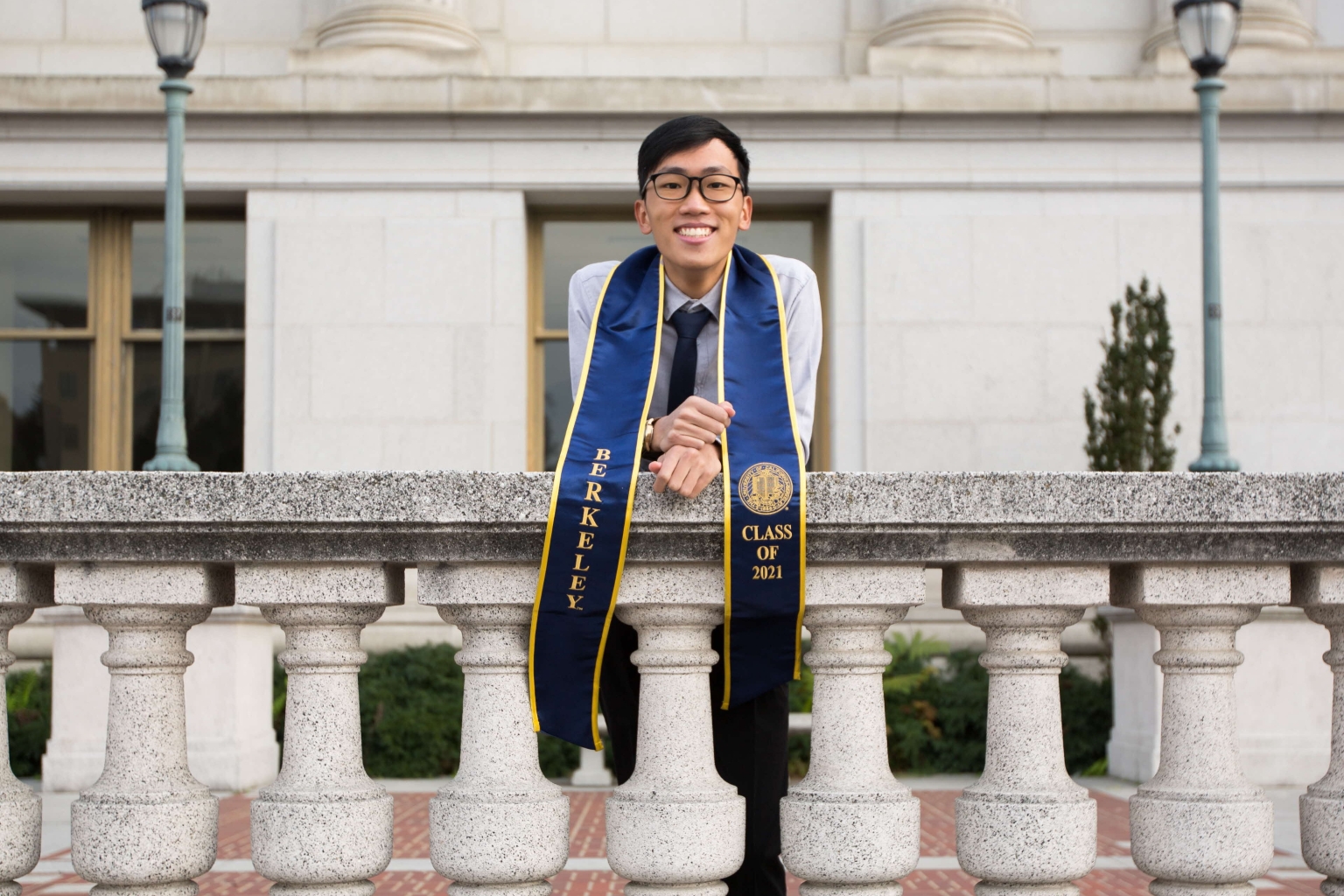
At the University of California, Berkeley (UC Berkeley), he majored in electrical engineering and computer science under the Public Service Commission Scholarship (Engineering) – Defence and Security.
Through the course of his studies, industry exposure was part of daily life. But nothing compared to being at Apple.
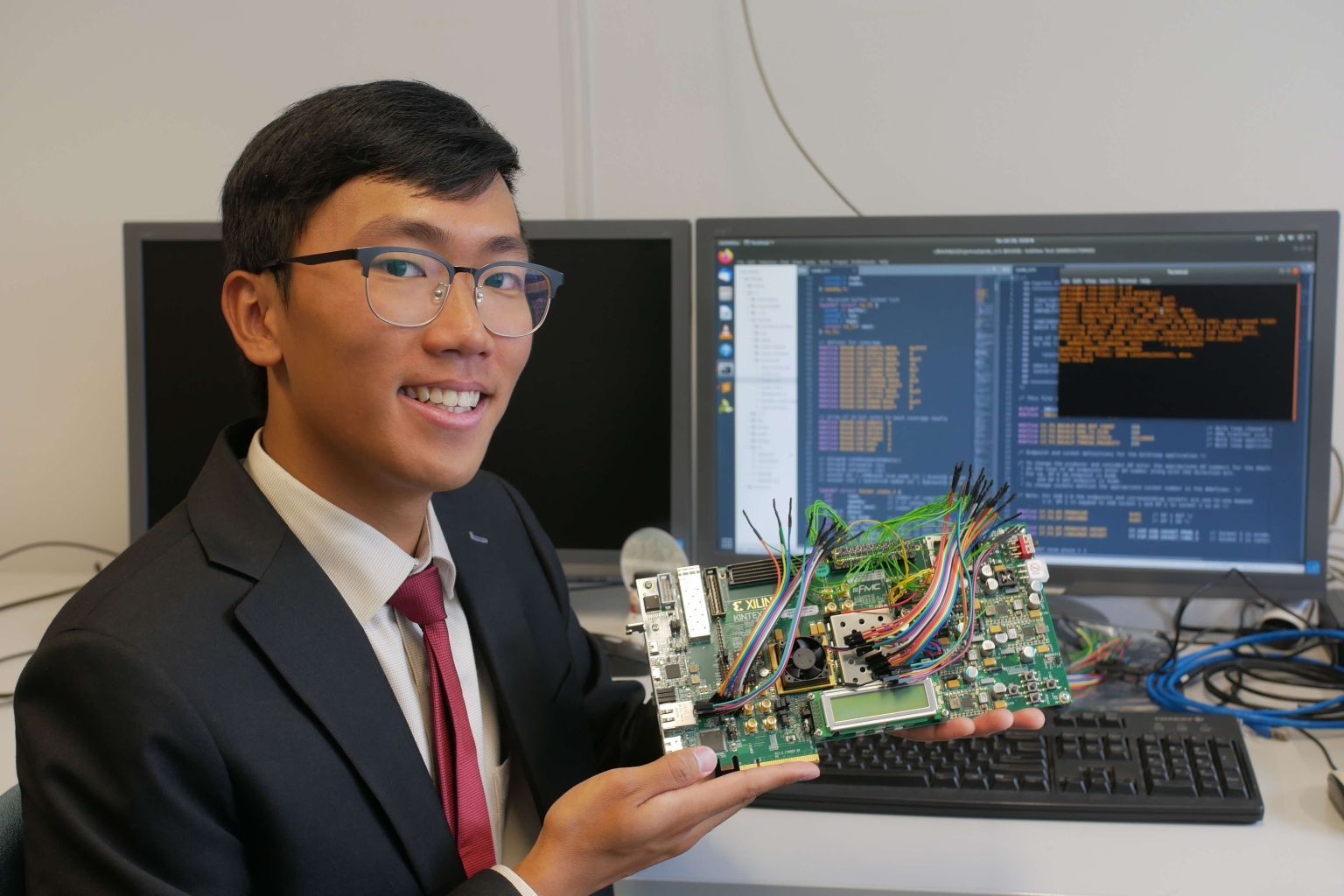
“The day-to-day work was fascinating. I was prototyping Apple’s self-designed chips on FPGA devices,” he explains, referring to field-programmable gate arrays (FPGA) used to test and debug early chip designs.
Beyond the technical experience, the internship opened a window into how the wider tech world operates.
“I learnt so much about commercial chip design, how the industry runs, and I even got to visit Apple Park,” says Adriel.

Naturally, when the US tech giant offered to convert his internship into a full-time role, the lure was strong. But another question tugged at him: What impact did he really want his career to have?
“I was hoping to achieve something with my career that has a larger sense of purpose,” he says.
As Adriel weighed the long-term meaning of his work, the answer became clear.
“At a place like Apple, the focus is very product-driven – building better and better devices for consumers. But when I imagine looking back 20 or 30 years from now and realising my life would only be dedicated to one commercial product, I wasn’t sure if that would make me proud,” he says.
“The scholarship gave me the life-changing chance to study abroad, which eventually led to my dream internship. For all that I’ve been given, I want to give back.”

After graduating from UC Berkeley, Adriel went on to pursue a master’s degree in electrical engineering and information technology at ETH Zurich university as part of his scholarship.
Today, he is an engineer with the Defence Science and Technology Agency (DSTA), supporting Singapore’s defence needs. The work is demanding and mostly discreet. But every so often, he gets a reminder of why it matters.
“For instance, when you see all of Singapore’s defence platforms being rolled out, and you think to yourself, ‘Hey, I contributed to that,’ there is a real sense of purpose and accomplishment,” he says.
While Adriel’s work at DSTA is worlds apart from his stint at Apple, one thing has not changed: Much of what he does stays behind closed doors.
To friends and family, he keeps it simple and tells them that he helps develop communication systems for the Republic of Singapore Air Force (RSAF). In reality, the work is far more complex.
Adriel is part of the DSTA’s Advanced Systems Programme Centre, where “project management” means something quite different from the business-school definition. His role is part engineer, part mediator, part translator.
He bridges operational users – such as officers from the Singapore Armed Forces (SAF) – with defence contractors who design and build the technologies the SAF relies on.
“It is a very important skill – to be able to explain what’s going on and put things into context,” he says. “It is something that I am constantly refining and still working on.”
A contractor might need intricate technical detail. An operational user might require a clear, big-picture explanation. Adriel’s job is to speak both languages.
He recalls having to break down some complex technical concepts to a colonel, something that would have terrified his younger national serviceman-self. But his time as a teaching assistant at ETH Zurich – explaining central processing unit (CPU) pipelining and cache timing calculations to undergraduates – prepared him well for such situations.
“It is a very important skill – to be able to explain what’s going on and put things into context.”
– Adriel Tan, recipient of the Public Service Commission Scholarship (Engineering) – Defence and Security
His overseas education, he adds, strengthened more than just his technical foundations. In California and Zurich, even the most technical engineering courses demanded strong presentation skills.
Being surrounded by classmates and professors from diverse backgrounds taught him to understand different perspectives and express his own with clarity.
Surprisingly, it was not only academia that shaped him. At CalTV, Berkeley’s student-run media group, he worked as director of photography, produced short films, and collaborated on shoots with other departments.
He even crossed paths with Will Smith at a red-carpet event, where he ran the camera while a friend conducted the interview.
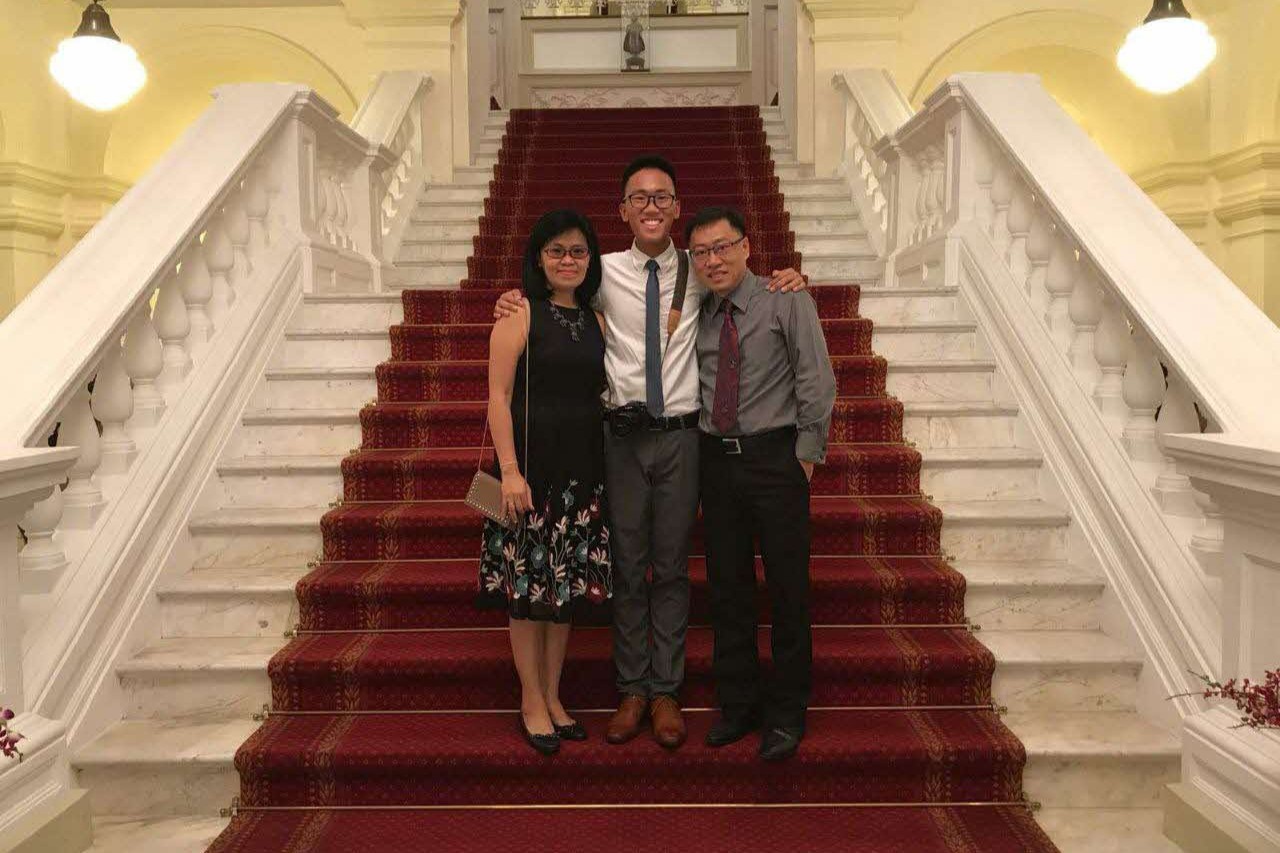
The shy 18-year-old version of himself would never have imagined this trajectory, Adriel says with a laugh. Drawn to film and theatre, he once thought he might pursue the arts full-time. But the creative impulse never left.
“There is beauty in bringing something into existence – whether it is a new technology through project management or new stories through directing actors on stage,” he says.
Enjoying the challenges of his job, he wants to keep doing what he does and aspires to make a difference in the lives of Singaporeans.
“Technology moves so quickly,” says Adriel. “In a few years, today’s cutting-edge tech can become obsolete. But the impact you leave on people, that will last.”
| About the Public Service Commission Scholarship The Public Service Commission (PSC) Scholarship is Singapore’s premier government scholarship, awarded to outstanding individuals with a passion for public service. It offers scholars the opportunity to pursue their studies at top universities worldwide, entry into the Public Service Leadership Programme (the central leadership development programme in the Singapore Public Service), and exposure to diverse experiences through structured rotations across government ministries and agencies. |
This article is brought to you by the Ministry of Defence.