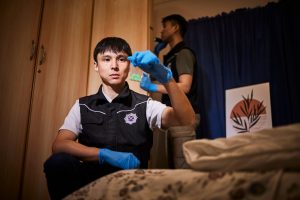
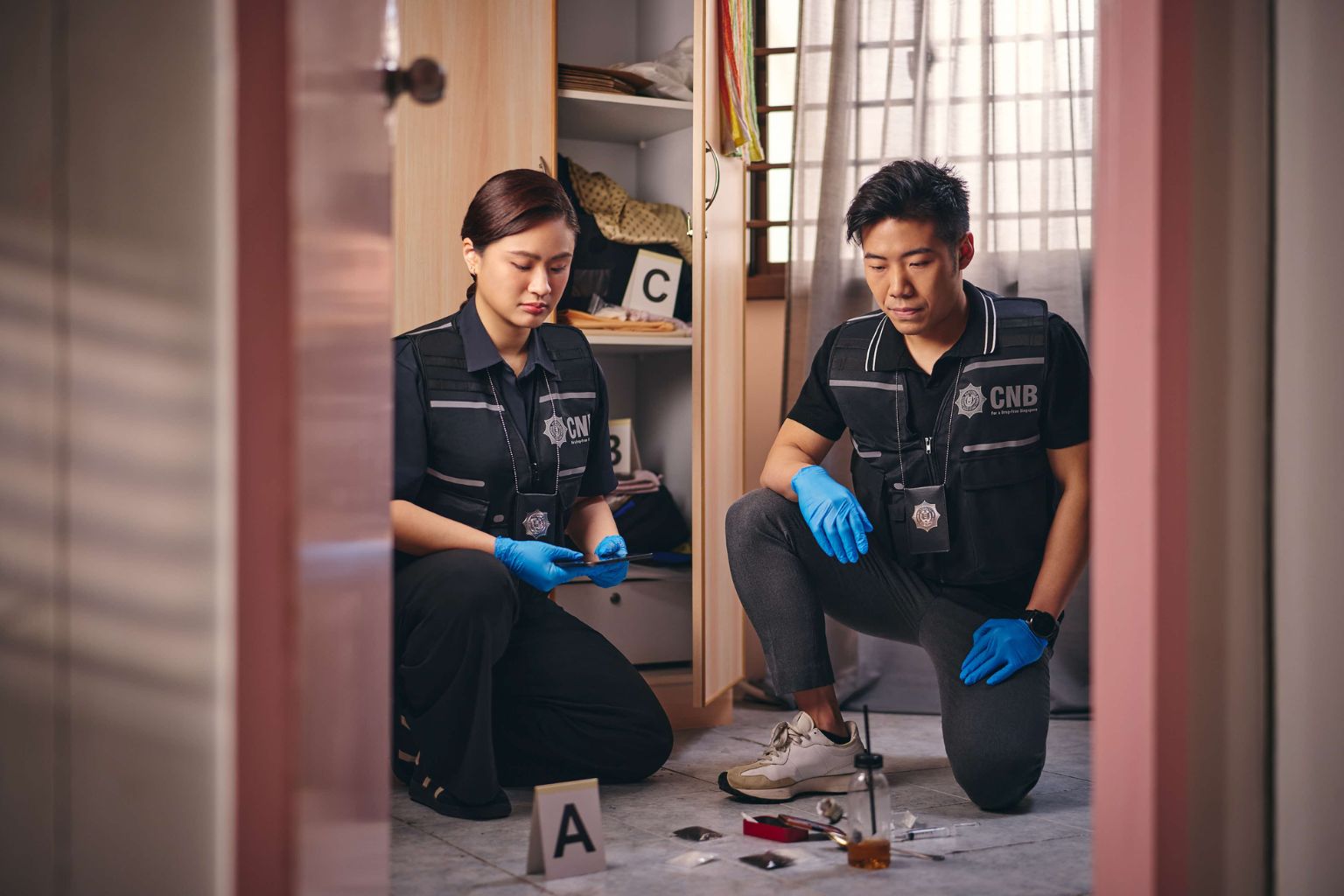
When he was a relatively new officer at the Central Narcotics Bureau (CNB), Joel Liew received a phone call from an elderly woman in her eighties. Her son, aged 60, was under investigation for drug-related offences. Halfway through the call, the mother broke down in tears.
“She told me she was afraid she might never see her son again if he went to prison, given her age and failing health,” says Joel. “I could feel, very deeply, the heartbreak in her voice.”
In that moment, Joel faced a situation no training manual had prepared him for. He was at a loss for words. “I just stayed on the line and listened,” he recalls, “because she needed someone to listen to her.”
Years on, that conversation stayed with him – a reminder of the responsibility he carries as a drug enforcement officer. “Behind every drug case are loved ones who often suffer in silence as they watch someone they care about spiral out of control. Our drug laws serve to protect society from the scourge of drugs,” says Joel.
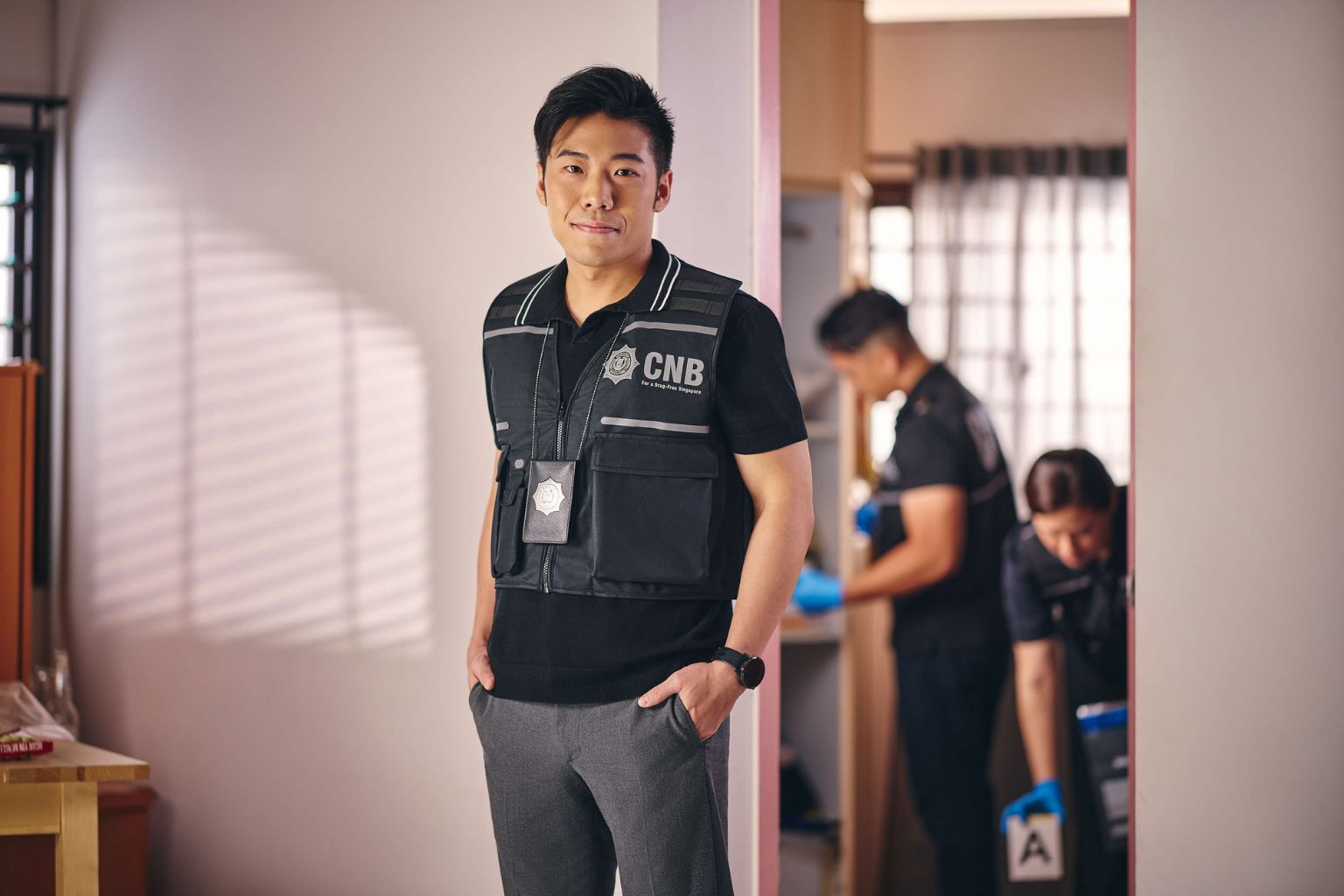
He came to know about the scholarship while reading up on options and applied for the Ministry of Home Affairs (MHA) Uniformed Scholarship (CNB) after completing his A levels in 2014.
Backed by the scholarship, he graduated with a second class (upper division) honours law degree from the National University of Singapore. Many of his peers pursued legal practice upon graduation, but Joel had always been drawn to a career in law enforcement.
“I was looking for an opportunity to contribute meaningfully to society,” says the 30-year-old, who joined CNB in 2020. “Law enforcement aligned with my desire to pursue an interesting, non-desk-bound job – and the scholarship gave ample opportunities for career growth both professionally and personally.”
His early years at CNB were spent on the ground, rotating through the Enforcement and Investigation divisions. Today, in his fourth posting as a senior narcotics officer, Joel works in the Policy, Planning and Research division where, away from the anti-drugs raids and arrests, his day-to-day is quieter but no less consequential.
His work involves shaping and deliberating policy decisions – ensuring they are supported by evidence – as well as analysing drug-related developments and assessing whether existing laws need to be updated, for example, in response to the threat of synthetic drugs that countries around the world face.
“Our policies are backed by scientific evidence and are calibrated to suit Singapore’s specific context,” he says.
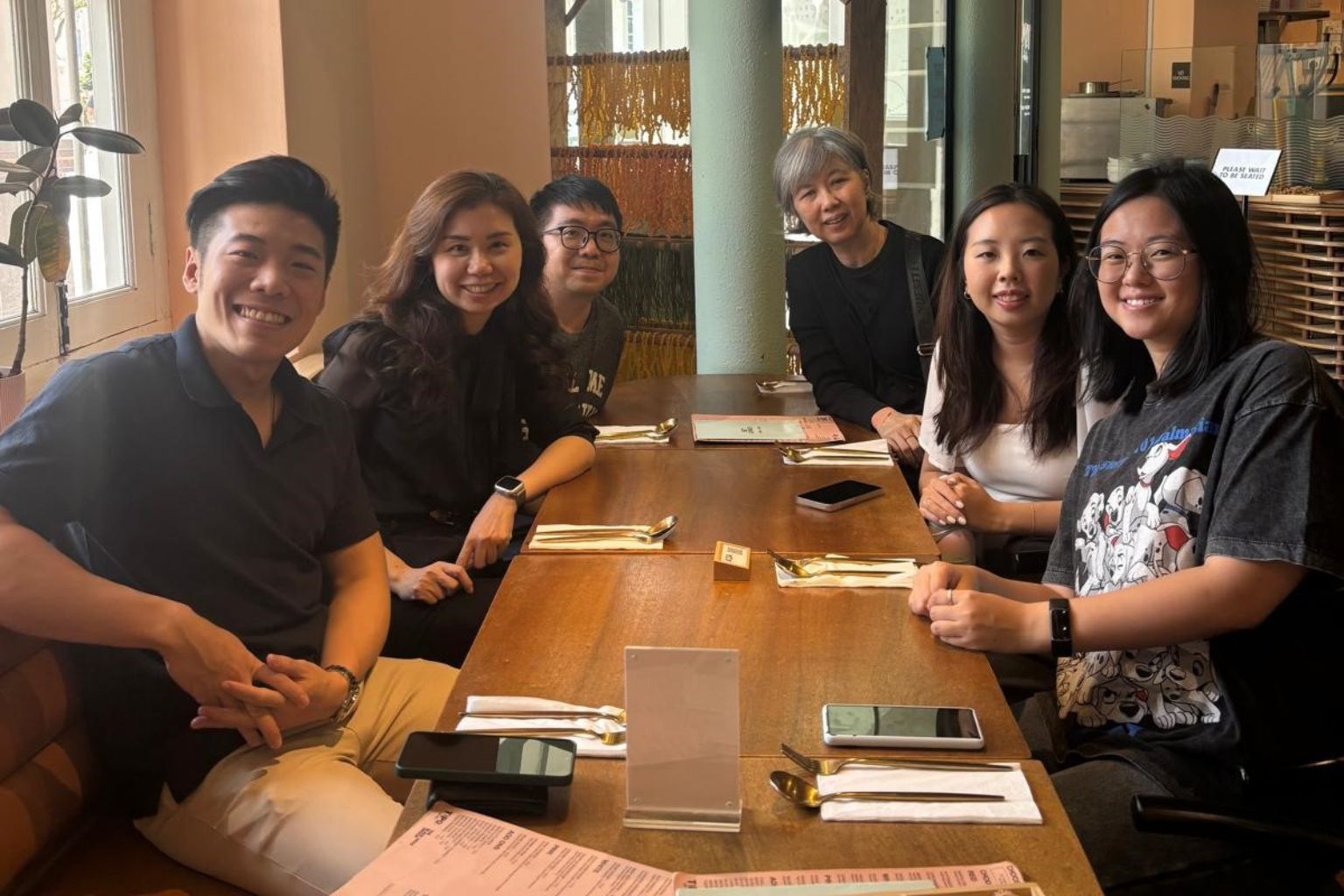
Last year, Joel represented CNB as part of the Singapore delegation at the United Nations Commission on Narcotic Drugs held in Vienna. He negotiated resolutions to advance Singapore’s interests and reaffirm the nation’s anti-drug stance, and also participated in discussions on legislative options to address the threat posed by synthetic drugs.
The emergence of new psychoactive substances and their variants has been a challenge for law and drug enforcement agencies worldwide, as many of these compounds are not yet covered by existing laws, creating loopholes that suppliers and traffickers can exploit.
Joel shared with international counterparts how Singapore has responded to the challenge. In 2024, Singapore introduced a new legislative framework that allows for enforcement action against new psychoactive substances that are not yet listed as controlled drugs, based on the capacity to produce a psychoactive effect.
“I was proud to highlight this in my discussions with international partners as we shared information and perspectives on tackling this global threat,” says Joel.
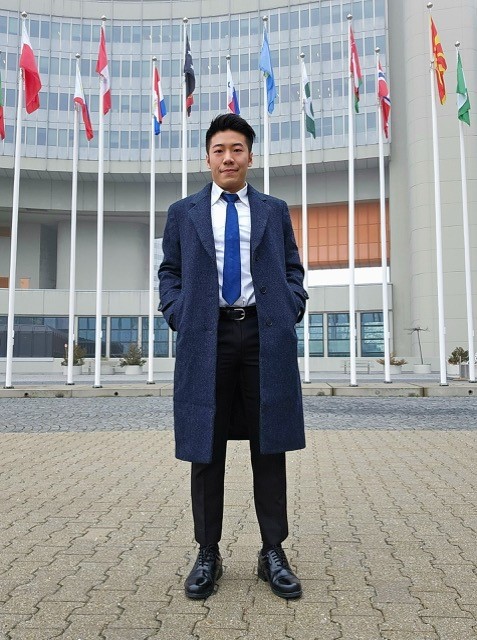
Before the new legislation came into effect, Joel had drafted a standard operating procedure to guide CNB officers on how to handle cases involving psychoactive substances. He was also part of the project team overseeing the operational roll-out of the new framework.
It is clear that his early work on the ground helps inform his work in shaping legislative responses and frameworks that guide how officers respond to evolving drug threats.
“Policies are only effective if they are well implemented,” says Joel. “There must be clear guidance for our officers on what to look out for when dealing with specific cases.”
“Behind every drug case are loved ones who often suffer in silence as they watch someone they care about spiral out of control. Our drug laws serve to protect society from the scourge of drugs.”
– Joel Liew, recipient of the MHA Uniformed Scholarship (CNB)
| Keeping up with changing tactics The Central Narcotics Bureau tracks evolving tactics employed by drug traffickers as drug distribution has increasingly shifted onto digital platforms, notes Joel Liew. Suppliers are adapting their methods in an attempt to evade detection. Drugs are now often advertised and sold through encrypted messaging platforms and anonymous accounts, which can disappear and reappear quickly. “You can close one down, and another one will pop up the next day,” he says. Even as methods change, he stresses that suppliers remain within the reach of the law. “Changing the mode of sale does not mean you cannot be detected,” he adds. |
Joel’s firm conviction of a drug-free Singapore also motivates him to take the message out to the local community. During a Home Team Scholars’ Vocational Programme that he hosted in 2023 and 2024, he invited an ex-drug abuser to share his rehabilitation journey.
“His story on how he turned his life around to stop hurting his loved ones was inspiring,” says Joel.
The former addict also spoke about how he distanced himself from former associates so that he could stay drug-free.
Joel also takes part in school outreach sessions where he engages students and teenagers on the harms of drugs.
“I’ve spoken to students on my school visits and some of them ask why Singapore continues to adopt a tough stance on drugs,” he says.
He does not just answer with data or statistics but often recounts that phone call with the elderly mother from years ago, using it to illustrate the impact of drugs on families.
“The harm that drugs can cause is not something that young people see on a day-to-day basis,” says Joel. “During my enforcement posting, I saw first-hand the hidden harm caused by drugs in parts of society that many rarely see.”
Now, years into his time at CNB, Joel reflects on the choice he made to step into law enforcement rather than private legal practice.
“I had asked myself if I would find the work fulfilling, what kind of impact I could create, and whether the mission inspired me,” he says.
As it turns out, he found his answers long ago.
| About the MHA Uniformed Scholarship If you are passionate, like Joel, about wanting to safeguard Singapore from the harms of drugs and ensuring everyone can live, work and play safely, we invite you to apply for the MHA Uniformed Scholarship. Select CNB as your Home Team Department of choice and embark on a fulfilling career where you can enforce, educate and engage others for a drug-free Singapore. Upon returning from your studies, you will have access to a structured road map of learning and development opportunities, including operational and staff appointments, with the potential for leadership roles across the Home Team and public service. |
This article is brought to you by the Central Narcotics Bureau.